Roof Leak vs Condensation. How to Tell the Difference (Before You Spend Thousands)
-
 Mariusz Holda
IL License Number: 104.017181
 Mariusz Holda
 Home » Learning Center » Damage Repair » Roof Leak vs Condensation. How to Tell the Difference (Before You Spend Thousands)
If you walk into your attic and notice water stains, damp insulation, or even frost on nails, your first thought will be: “My roof is leaking.”
That’s a reasonable assumption, but not always the correct one.
At Holda Construction, serving homeowners in Palatine and surrounding Chicagoland suburbs, we’ve seen this scenario play out countless times. A homeowner prepares for a major roof repair, or even a full replacement, only to discover the real issue isn’t the roof at all: it’s attic condensation.
Understanding the difference between a roof leak and attic condensation can save you thousands of dollars and, just as importantly, prevent long-term damage that continues quietly if misdiagnosed.
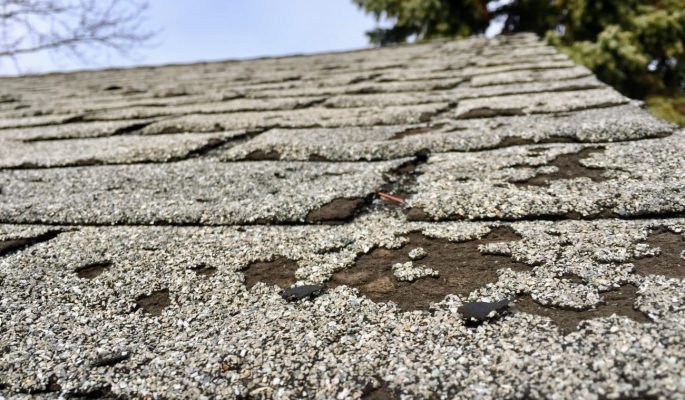
A true roof leak is usually very specific in both location and timing. It tends to originate from a clear failure point in the roofing system: something like worn shingles, damaged flashing, or a vulnerable area such as a valley or roof penetration.
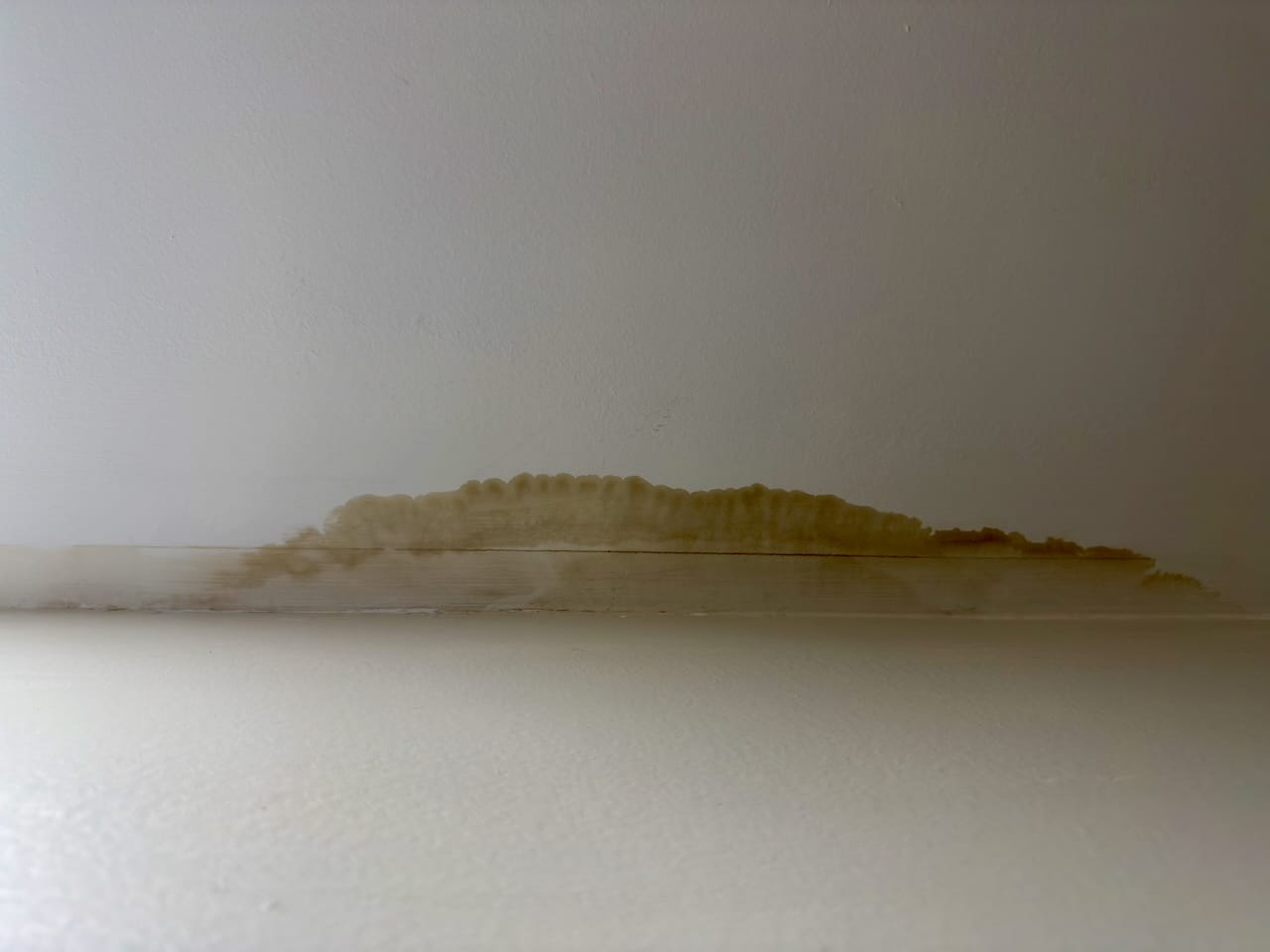
What makes leaks easier to identify is their relationship with the weather. Homeowners often notice that stains or damp spots appear during or shortly after rain or snowmelt. The moisture doesn’t spread randomly: it shows up in a defined area and tends to get worse after each storm.
You might see:
In other words, a roof leak behaves predictably. It reacts to what’s happening
outside.
Condensation tells a very different story.
Instead of pointing to a single failure, it reflects what’s happening inside your attic environment. The moisture isn’t coming from outside: it’s being created from within your home.
This is especially common during Illinois winters. Warm, moisture-filled air from everyday activities: showers, cooking, even breathing, naturally rises upward. When that air reaches the attic and hits the cold underside of the roof deck, it condenses into water droplets or frost. Over time, this cycle repeats. And the result can look alarmingly similar to a roof leak.
Instead of one isolated area, you’ll typically notice moisture spread across larger sections. The attic might feel damp overall, with no clear source tied to rain. In colder stretches, you may even see what professionals often call “shiners”, which is frost that forms on the tips of roofing nails.
These are strong indicators that the issue isn’t your roof failing, it’s your attic struggling to regulate temperature and airflow. To learn more, read our blog on Attic Condensation Solutions.
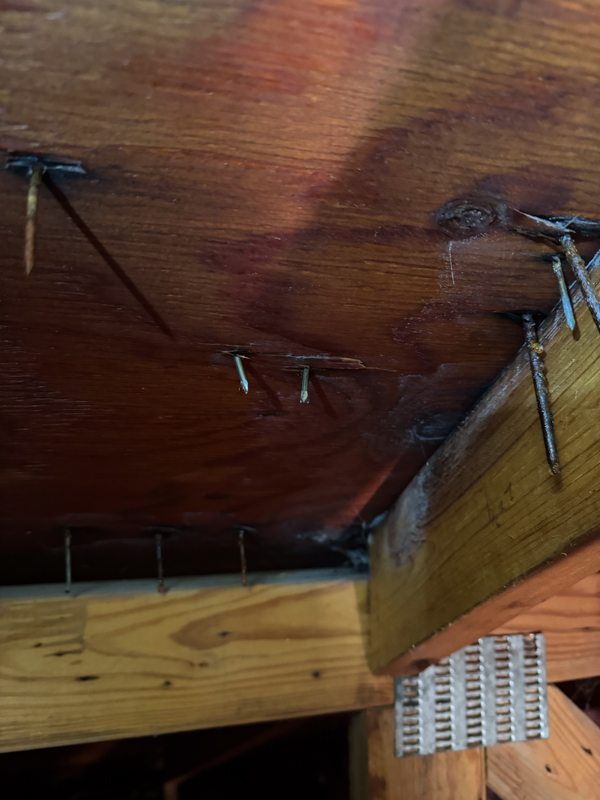
Homes in Palatine, Barrington, Inverness, and nearby communities go through intense seasonal swings. Cold winters create the perfect conditions for condensation, especially when combined with modern living habits that generate more indoor humidity.
What we often find during inspections is not a single issue, but a combination of small problems working together:

One of the most common, surprising discoveries we make is improperly vented bathroom fans. Instead of directing moisture outdoors, they dump warm, humid air straight into the attic space. Over time, that moisture has nowhere to go.
And that’s when the symptoms begin.
This is where things can get expensive.
We’ve met homeowners ready to invest in a full roof replacement, sometimes at rates of $15,000 to $25,000, because they believed their roof was failing. After a proper inspection, it’s clear the roof was still in good condition. The real issue was ventilation and airflow.
On the other hand, we’ve also seen situations where a true leak was dismissed as condensation, allowing damage to spread further into the structure.
Both scenarios come down to the same issue: misreading the signs.
To learn more about how you can inspect your own roof and read the signs, visit How to Inspect Your Roof Spring Through Fall.
Our goal isn’t to sell a roof: it’s to solve the problem correctly the first time.
When we inspect a home, we take a full-system approach. That means looking beyond just the shingles and examining how everything works together:
We document what we find with photos and, when helpful, video walkthroughs so you can clearly see what’s happening in your home.
From there, we explain the issue in plain terms and recommend the right solution: whether that’s a targeted repair, ventilation improvement, or, when truly needed, a roof replacement.
If the problem shows up only when it rains, you’re likely dealing with a leak.
If it shows up when it’s cold, even without precipitation, and appears in multiple areas, condensation is the more likely culprit.
It’s a simple distinction, but an important one.
Not every water stain is a sign your roof is failing. Sometimes, it’s a sign your home isn’t breathing the way it should.
The key is identifying the difference early, before small signs turn into bigger, more expensive problems.
If you’re in Palatine, IL or the surrounding area, we’re here to help.
At Holda Construction, we specialize in:
Reach out by calling or texting 847.847.2883 today, and we’ll help you understand exactly what’s going on in your home—with clarity and confidence.
Contact us today to discuss your next project. We’ll be happy to help.