Signs Your James Hardie Siding Was Installed Incorrectly
-
 Mariusz Holda
IL License Number: 104.017181
 Mariusz Holda
 Home » Learning Center » Siding » Signs Your James Hardie Siding Was Installed Incorrectly
James Hardie siding is designed to last. In a climate like Northwest Chicago’s, where homes face constant exposure to wind, moisture, and temperature swings, it has earned its reputation as one of the most reliable exterior materials available.
But there is a critical distinction homeowners often discover too late.
The product itself performs extremely well. The installation is where things can go wrong.
James Hardie backs its siding with a 30-year non-prorated warranty, but that warranty depends on one key condition: the system must be installed according to their specifications. When those standards are not followed, the responsibility shifts away from the manufacturer. This is why many siding problems are not product failures, but installation failures that take years to reveal themselves.
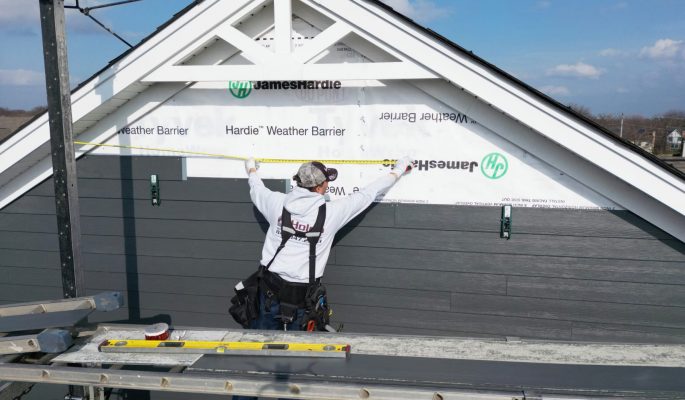
Fasteners are the backbone of the system. When nails are incorrectly installed, or when the wrong type of fastener is used, they may hold temporarily but fail over time. Signs of this include nails backing out, panels loosening, or sections of siding separating from the wall.
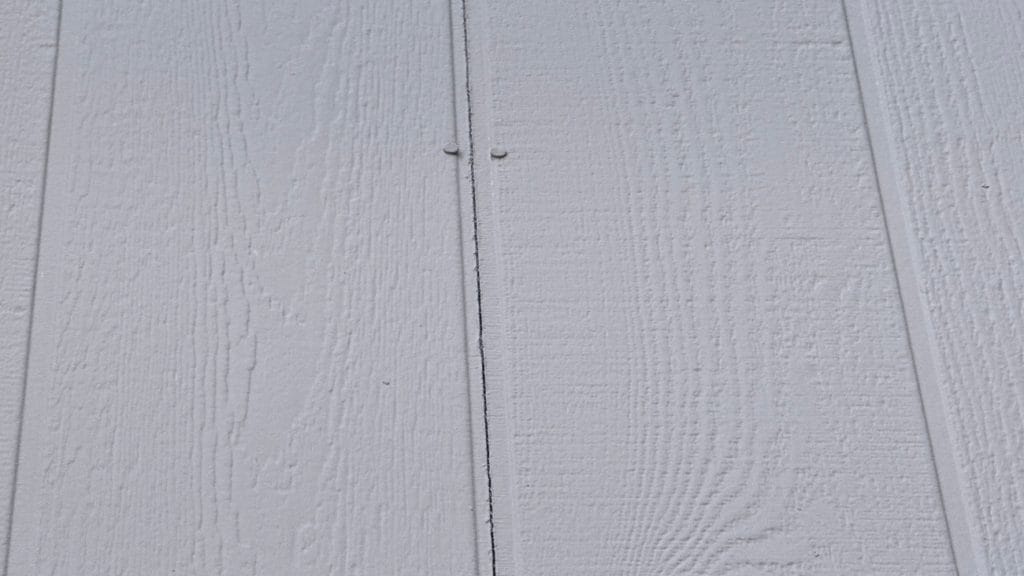
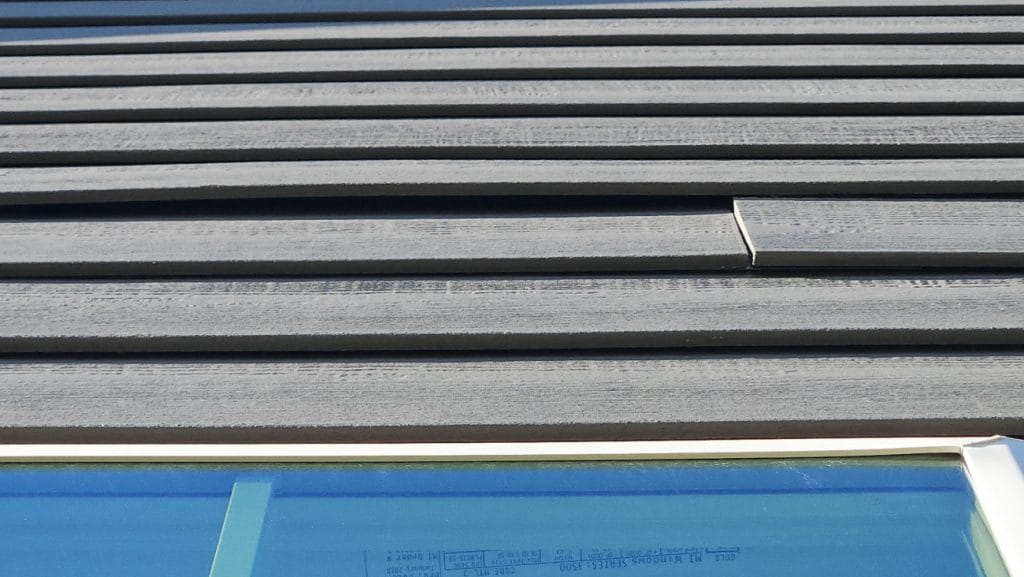
Caulking often gets blamed when cracks appear, but it is usually reacting to movement beneath the surface. When siding shifts, even slightly, the sealant cannot maintain its bond. Cracked or splitting caulking is often one of the first visible signs of a deeper issue.
One of the most serious problems is improper moisture management. Missing flashing, incorrect clearances from the ground, or a poorly installed weather barrier can allow water behind the siding. This type of issue does not always show immediately, but over time it can lead to rot, mold, and structural damage.
In many cases, the issue is not a single mistake, but a pattern of shortcuts taken during installation. This is especially common in fast-paced construction environments, where speed is prioritized over precision.
The siding may look fine when the job is completed. But fiber cement does not reveal installation issues right away. It takes time, weather, and natural movement for those problems to surface. By the time they do, homeowners are often left trying to determine whether the product failed or the installation was incorrect.
There are several recurring mistakes we see in the field that lead to these outcomes:
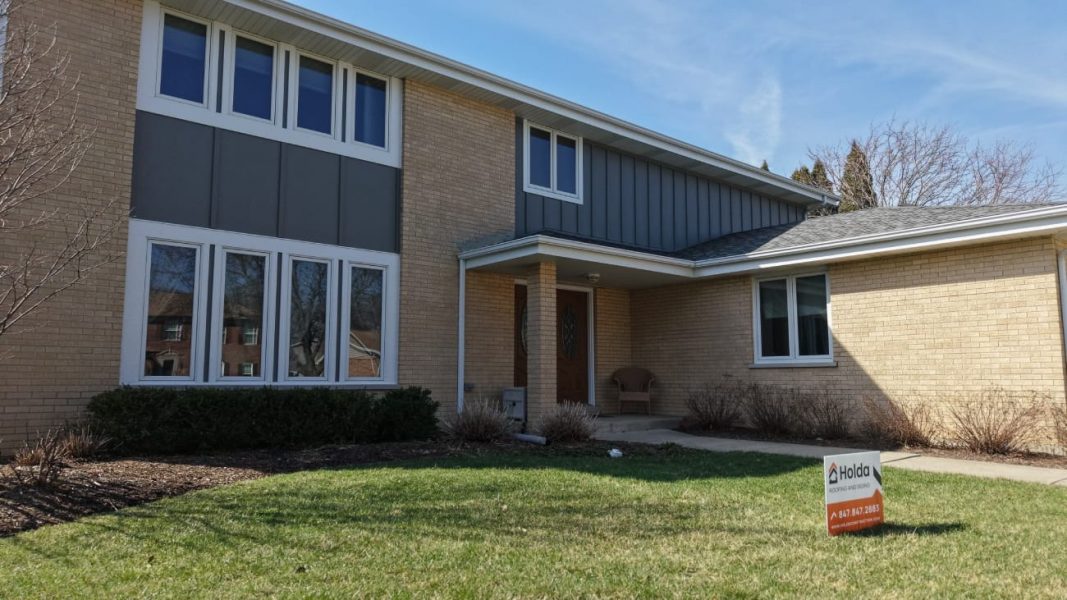
Peter and Sandy Vasilakos lived in Arlington Heights with their siding for nearly two decades, but it never performed the way it should have. What was meant to be a long-term upgrade to James Hardie siding became an ongoing source of frustration, with panels shifting, gaps widening, and nails loosening to the point where they could be removed by hand. Over time, the issue went beyond appearance and raised concerns about moisture intrusion and long-term structural damage, leaving them uncertain whether the product itself had failed or if the installation had been done incorrectly.
Through early conversations and a detailed evaluation, it became clear that the problem was not the James Hardie material, but the way it had been installed. Fasteners were not consistently anchored into structural framing, proper backing was missing, and the weather barrier had been compromised. The solution required a full system rebuild, addressing structure, fastening, and moisture management together. The result was not just a visual improvement, but a complete restoration of confidence in the home’s exterior.
To learn more, visit our full case-study write-up at: An Installation Problem Solved: Board-and-Batten Siding Replacement in Arlington Heights.
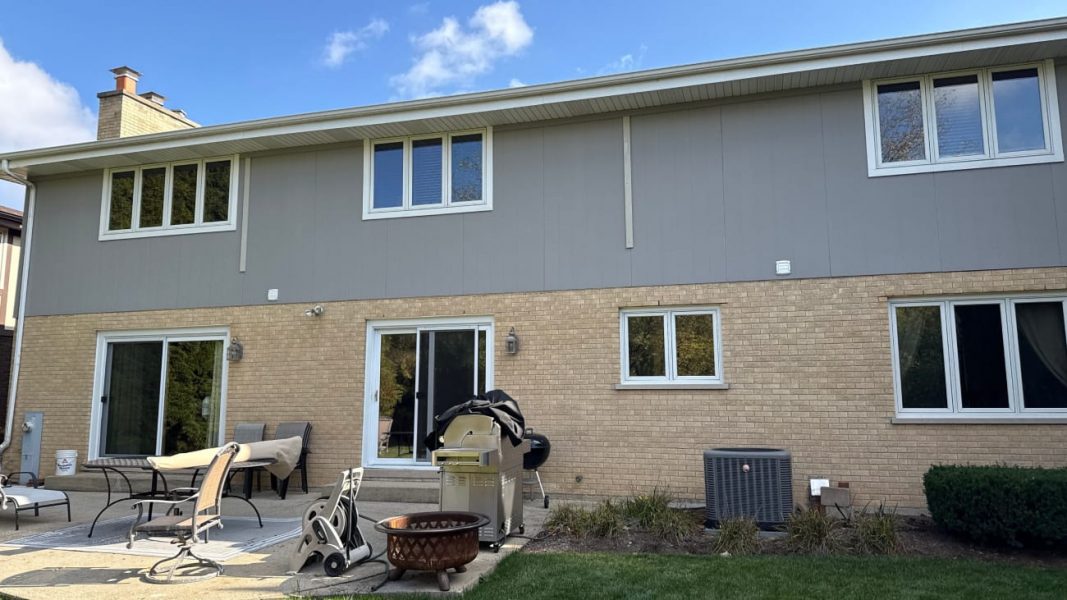
During another Holda Construction case example, this time in Hoffman Estates, June and John Kuszynski first noticed their issue through sound. During windy conditions, a sharp clapping noise led them outside, where they saw siding panels physically moving and separating along one wall. While initial photos suggested a minor repair, an on-site inspection revealed that every panel had been fastened into sheathing instead of structural studs, and the incorrect fasteners had been used. Over time, wind and seasonal movement caused the siding to loosen, and the absence of proper flashing increased the risk of moisture intrusion.
Rather than recommending a full replacement, the focus shifted to correcting the installation itself. The siding was re-secured into structural framing, flashing was properly installed, and all necessary sealing was completed in a single day. The outcome was significant. A potential $14,000 replacement was avoided with a $1,500 repair because the material was still in good condition. The issue was never the siding. It was how it had been installed.
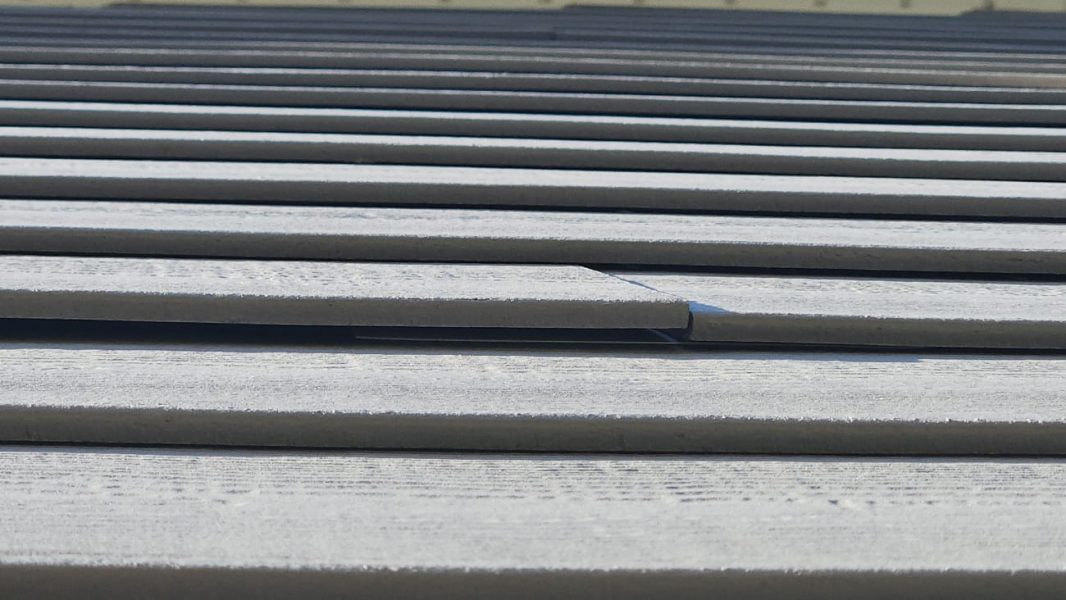
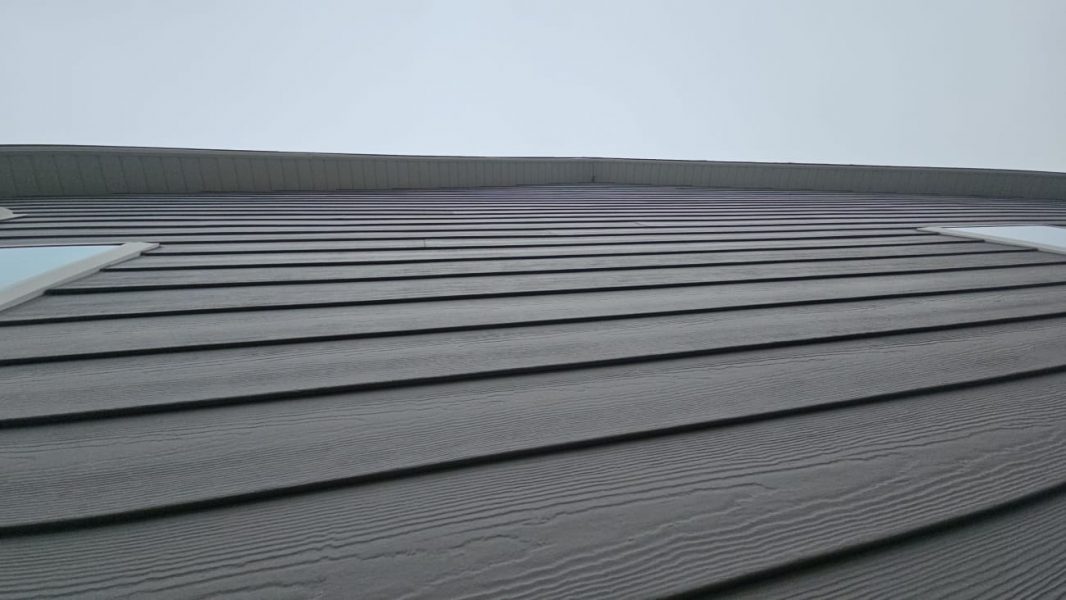
If your siding is showing signs of movement, separation, or premature wear, the most important step is not deciding on replacement right away. It is understanding the cause. A proper diagnosis can completely change the direction of the project, and often the cost as well.
Concerned about siding movement, gaps, poor seal, or other siding issues? Feel free to reach out at 847.847.2883 or by completing our contact form. We’ll be happy to help!
Contact us today to discuss your next project. We’ll be happy to help.