Why Premature Siding Failure Happens on Homes in Chicago’s Northwest Suburbs
-
 Mariusz Holda
IL License Number: 104.017181
 Mariusz Holda
 Home » Learning Center » Siding » Why Premature Siding Failure Happens on Homes in Chicago’s Northwest Suburbs
As we work with homeowners throughout Chicago’s Northwest suburbs, we are increasingly receiving reports of siding that fails far earlier than expected. In communities like Barrington, Inverness, Arlington Heights, Palatine, Lake Zurich, and Schaumburg, it is not uncommon to see homes with significant siding deterioration only 8 to 15 years after installation, even when the products themselves are marketed to last several decades.
In most cases, the premature siding failures we see are not caused by defective siding materials alone. The underlying issue is usually a failure within the home’s exterior wall assembly: improper installation methods, moisture intrusion, flashing deficiencies, inadequate drainage, ventilation problems, or ignored manufacturer requirements that slowly compromise the siding system from behind.
This distinction matters because many homeowners spend thousands replacing visible damage without correcting the root cause. The result is a recurring cycle of moisture problems, hidden rot, warranty disputes, and escalating repair costs.
Understanding how siding systems are actually designed to function (and how they fail) is essential before beginning repairs, filing insurance claims, or determining contractor responsibility.
Premature siding failure occurs when siding deteriorates significantly earlier than its expected lifespan. Instead of lasting 25 to 50 years, depending on the material, homeowners may begin seeing major issues within only 5 to 15 years.
The signs are often subtle at first:
Many homeowners initially assume the siding product itself is defective. In reality, the majority of new house siding problems stem from installation defects or moisture management failures rather than manufacturing flaws.
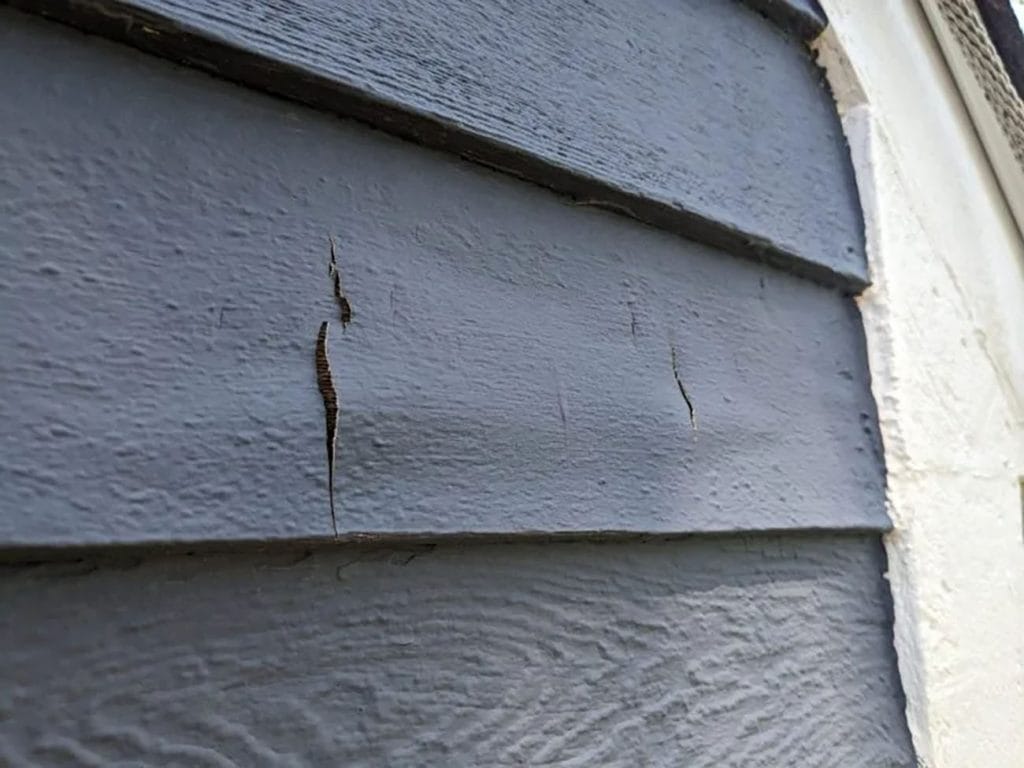
Illinois winters expose siding materials to repeated freezing and thawing. Moisture enters tiny cracks or unsealed edges, freezes, expands, and gradually weakens the material. Over time, this causes cracking, separation, and structural deterioration.
Fiber cement siding is especially vulnerable when moisture is allowed to penetrate cut edges or improperly sealed joints.
Strong Midwest storms push water behind siding systems through vulnerable transition points around windows, doors, rooflines, and penetrations. Siding is not designed to be completely waterproof. It is designed to shed water while the underlying weather barrier manages drainage.
When flashing or house wrap installation is incorrect, moisture becomes trapped behind the siding instead of draining safely away.
Humidity levels throughout Chicagoland create ideal conditions for hidden condensation and moisture retention inside wall cavities. Improper ventilation or poorly designed wall assemblies can allow mold growth and rot to develop unnoticed for years.
Vinyl siding expands and contracts constantly with temperature swings. Poor fastening techniques can restrict movement and lead to buckling or distortion. Hail damage can also weaken siding systems, creating fractures that later allow water intrusion.
For more on our hail damage services, feel free to explore our service page.

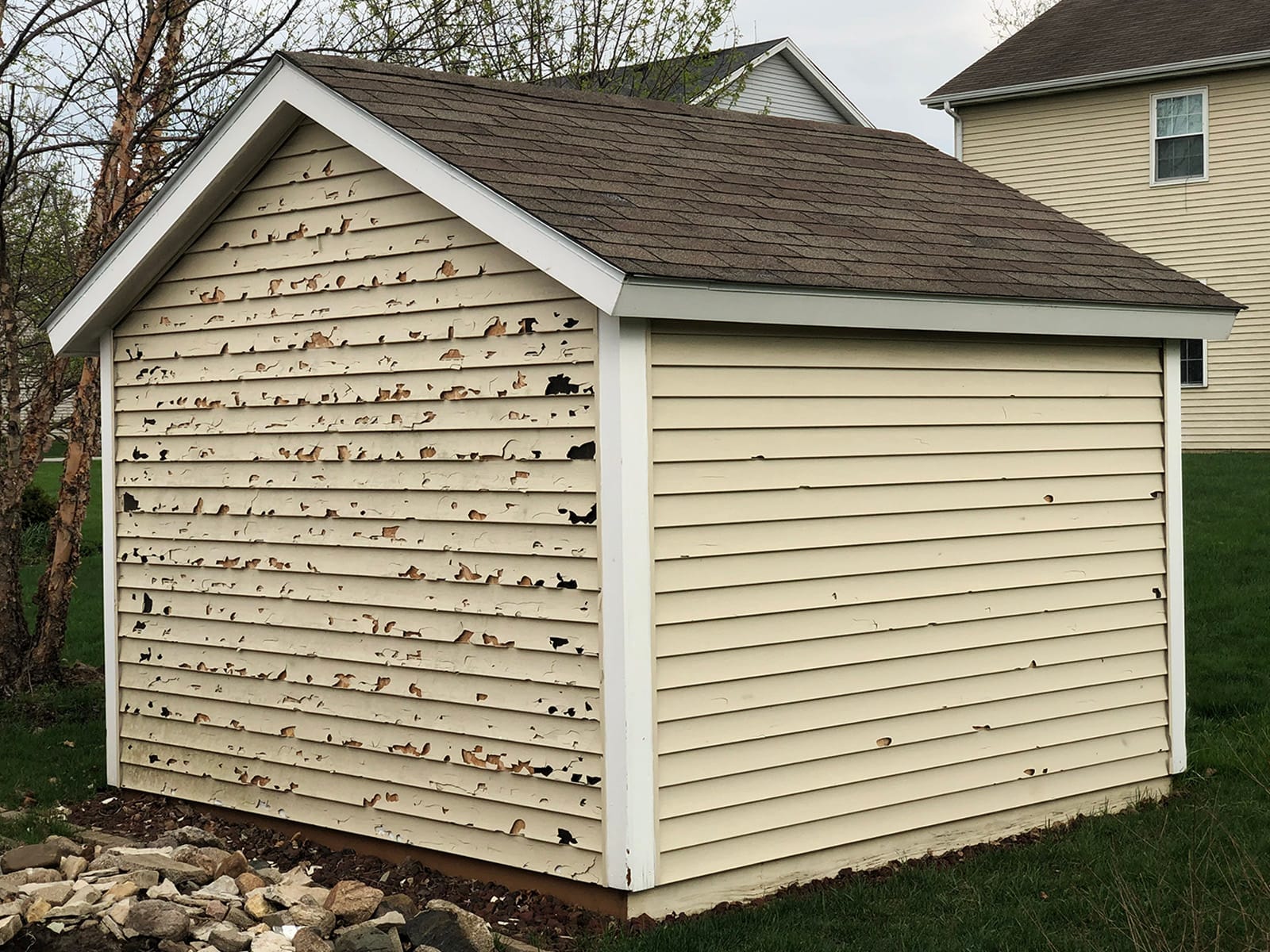
Installation quality is one of the biggest factors in siding longevity. Even premium siding products can fail rapidly when installed incorrectly.
Common siding installation defects include:
These issues allow water to bypass the siding system and penetrate the wall assembly.
Moisture intrusion and rot are among the most destructive causes of siding failure because damage often occurs behind the visible surface.
Once water enters the wall cavity, it can damage:
Homeowners frequently discover hidden rot only after removing siding during repairs or replacement projects.
Signs of moisture intrusion include:
Modern siding systems depend on a complete moisture management assembly working together correctly. When even one layer fails, the entire system becomes vulnerable.
Many homeowners are surprised to learn that siding manufacturers require strict clearance spacing around roofs, concrete surfaces, decks, patios, and soil.
When siding is installed too close to these surfaces, moisture can wick upward into the material or remain trapped against the siding for extended periods.
Manufacturers such as James Hardie and LP SmartSide specify minimum clearance requirements to reduce moisture exposure and promote drainage.
This issue is particularly common around:
In many cases, the siding itself is not defective. The problem originates from installation methods that expose the material to chronic moisture conditions it was never designed to withstand.
Many siding failures originate from water management issues unrelated to the siding itself.
Common contributors include:
Constant moisture exposure near the base of the wall dramatically accelerates deterioration.
New house siding problems are increasingly common throughout suburban developments where construction speed often takes priority over craftsmanship.
Builders may rely on subcontractors working under aggressive timelines, leading to shortcuts in weatherproofing details that are not immediately visible during final walkthroughs.
Many homeowners discover issues several years later, after builder warranties have expired.
Another overlooked cause of premature siding failure is improper handling before installation even begins.
Fiber cement and engineered wood siding products should be stored dry, flat, and protected from moisture exposure prior to installation. When siding materials absorb excessive moisture before installation, dimensional movement can occur later as the product dries.
This may contribute to:
Illinois weather conditions create additional risk when contractors install siding during wet or freezing conditions without proper material handling procedures.
One of the most misunderstood aspects of residential construction is that siding itself is not intended to be completely waterproof.
Modern siding systems are engineered as water-shedding cladding systems. Their purpose is to direct the majority of water away from the structure while allowing the underlying drainage plane and weather barrier to manage any moisture that penetrates behind the exterior surface.
A properly functioning wall assembly includes:
Manufacturers such as James Hardie specifically state that proper flashing and water-resistive barriers are required as part of the installation system. When these components are missing or improperly installed, water intrusion can occur behind otherwise intact siding.
In other words, many cases of premature siding failure are actually building-envelope failures rather than isolated siding defects.
Vinyl siding behaves differently than fiber cement, engineered wood, or traditional wood siding because it constantly expands and contracts with temperature changes. In Chicago’s Northwest suburbs, where siding may experience below-zero winter temperatures and intense summer heat within the same year, thermal movement becomes one of the most important factors affecting long-term performance.
Manufacturers such as Mastic and the Vinyl Siding Institute (VSI) require vinyl siding to be installed with room for movement. Panels must be able to slide freely as temperatures fluctuate. When installers drive nails too tightly, fail to center fasteners properly, or ignore required expansion clearances at corners and trim channels, the siding becomes restricted and begins deforming under thermal stress.
Common vinyl siding issues include:
Because vinyl siding is designed as a water-shedding system rather than a watertight barrier, the integrity of the underlying weather-resistant barrier, flashing, and drainage system is critical. When moisture penetrates behind the siding and the wall assembly is improperly protected, hidden rot and sheathing damage can develop long before exterior symptoms become visible.
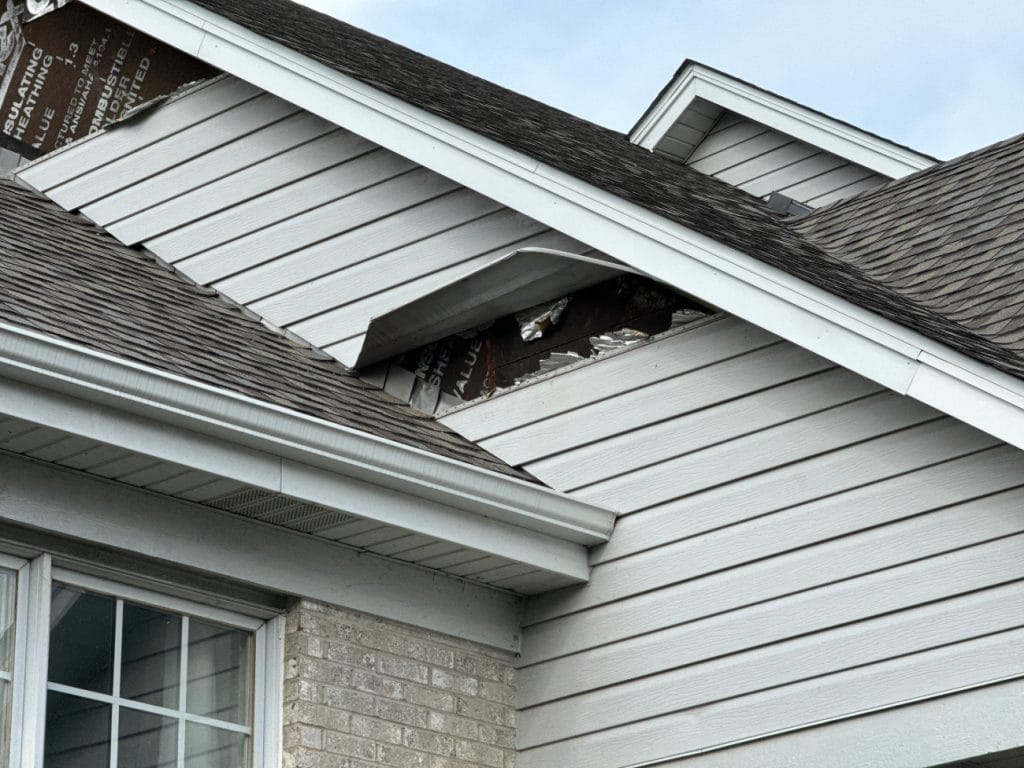
Fiber cement siding is highly durable when installed correctly, but installation precision is essential and remains heavily dependent on proper moisture management.
James Hardie installation standards require:
Many fiber cement siding problems occur because moisture reaches vulnerable areas such as:
When water repeatedly penetrates these areas, homeowners may see:
Fiber cement itself is not “waterproof.” It performs properly only when integrated into a correctly designed drainage and flashing system.
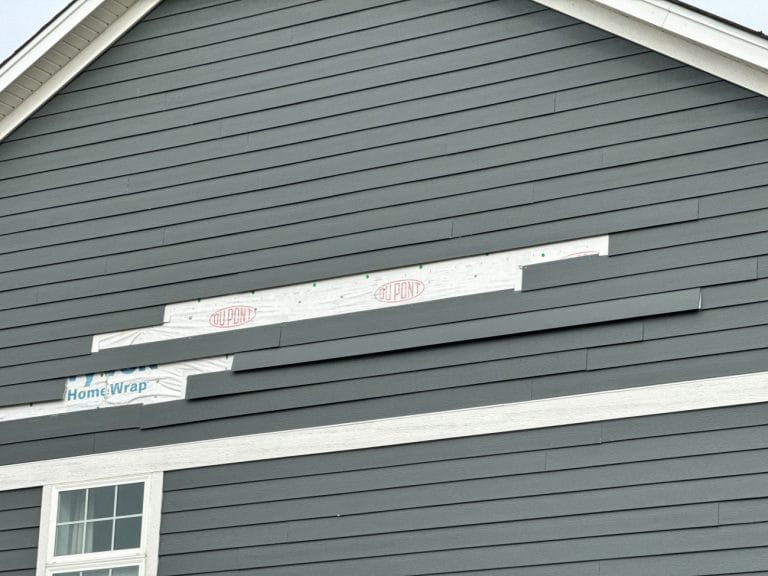
Before beginning repairs, homeowners should determine whether the problem originates from:
An accurate diagnosis protects homeowners from unnecessary repairs and strengthens potential warranty or insurance claims.
Take detailed photographs of:
Document dates, weather events, and any changes over time.
Pay close attention to:
These are the most common locations for moisture intrusion.
A professional inspection may include:
The goal is identifying the source of moisture rather than simply replacing damaged panels.
Improper flashing and fastening patterns are among the clearest indicators of contractor error.
Manufacturer installation guidelines are extremely specific regarding:
Failure to follow these standards can void warranties entirely.
Determining responsibility for premature siding failure often requires separating:
However, long-term moisture intrusion and rot are frequently excluded if insurers determine the damage resulted from installation defects or ongoing maintenance failures.
Most siding manufacturers warranty the product itself against manufacturing defects. However, they do not cover improper installation.
If siding fails because of incorrect flashing, poor fastening, missing weather barriers, improper sealing, or inadequate ventilation, then the responsibility may fall on the contractor rather than the manufacturer.
Homeowners insurance may cover sudden storm-related siding damage, including:
However, gradual deterioration, rot, and long-term moisture problems are often excluded if they are considered maintenance or workmanship issues.
Proper documentation is essential when filing claims.
To learn more about insurance coverage after a storm, visit our page on what you need to know about insurance claims.
Independent inspections can help establish:
This documentation becomes critical during disputes involving contractors, builders, insurance companies, or manufacturers.
Homeowners are often surprised to learn that siding warranties primarily cover manufacturing defects, not installation errors.
Manufacturers such as James Hardie, LP SmartSide, and Mastic require contractors to follow highly specific installation instructions involving:
When contractors fail to follow these specifications, manufacturers may deny warranty claims entirely, even when the siding itself has deteriorated prematurely.
This creates confusion for homeowners who assumed the product warranty protected the entire installation.
Understanding warranty and contractor responsibility is critical before repairs begin.
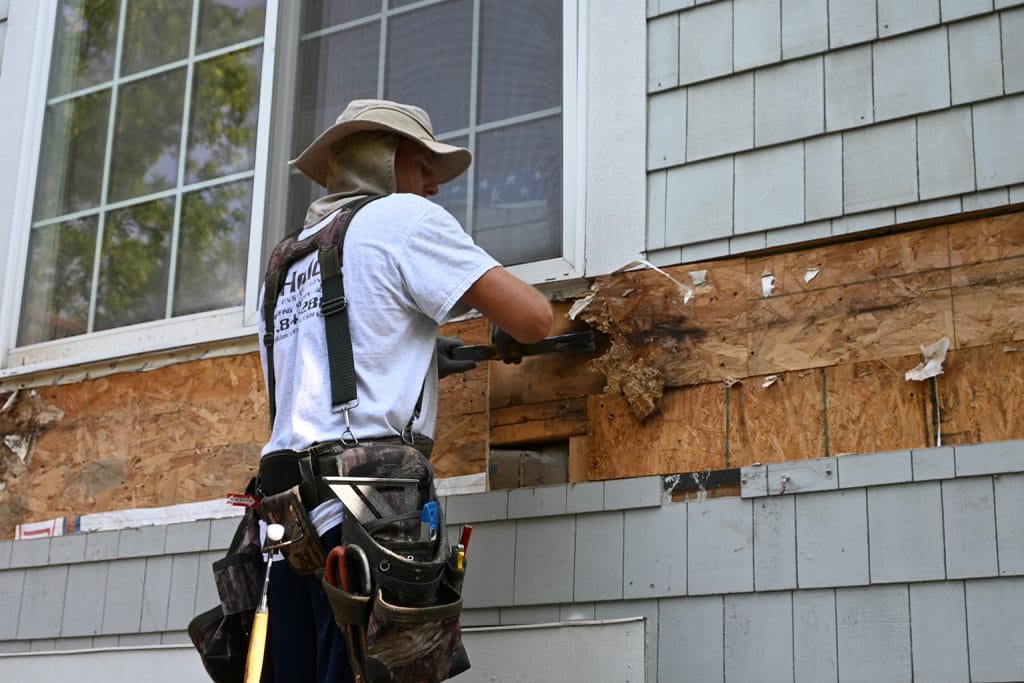
One of the biggest mistakes homeowners make is treating siding failure as a surface-level issue.
Replacing only visible damaged panels without correcting the underlying moisture source often leads to recurring damage within a few years.
Professional siding repair should always include evaluation of:
A properly designed siding system functions as part of the entire building envelope.
Homeowners should schedule a professional siding inspection when they notice:
Early intervention can prevent small problems from turning into major structural repairs.
Premature siding failure in Chicago’s Northwest suburbs is rarely caused by a single isolated problem. In most cases, siding deterioration develops from a combination of installation defects, moisture intrusion, thermal movement, drainage failures, and improperly integrated building-envelope systems.
For homeowners, the most important step is obtaining an accurate diagnosis before repairs begin. Understanding the difference between product failure, siding installation defects, moisture intrusion and rot, and contractor responsibility helps prevent repeated failures and protects the long-term integrity of the home.
Whether the home has vinyl siding, fiber cement, engineered wood, or another cladding system, successful repairs require more than replacing damaged panels. They require identifying and correcting the underlying conditions that caused the siding to fail in the first place.
Feel like you need a professional take on your home’s siding issues? Feel free to contact us online or give us a call at 847.847.2883. With over 20 years of experience, we’re happy to help you find the best solution for your home.
Contact us today to discuss your next project. We’ll be happy to help. Because taking care of small problems is how you protect yourself from larger problems down the road.