IL License Number: 104.017181
IL License Number: 104.017181
When homeowners ask us which siding products we trust most, James Hardie® is consistently part of the conversation.
Over the years, we’ve worked with a wide variety of siding materials, including vinyl, engineered wood, and fiber cement. Each product has advantages, but James Hardie has earned a strong reputation because of its ability to withstand the demanding weather conditions we experience throughout Illinois. Heavy rain, snow accumulation, freeze-thaw cycles, strong winds, and dramatic seasonal temperature swings all put stress on a home’s exterior. James Hardie’s HZ5® product line was specifically designed for climates like ours.
The company backs its products with a 30-year non-prorated warranty on siding products and a 15-year warranty on ColorPlus® Technology finishes. Combined with a lifespan that can often exceed 50 years, it’s easy to understand why so many Chicagoland homeowners view James Hardie as a long-term investment rather than simply another siding option.
However, after inspecting hundreds of homes throughout the Northwest Chicago suburbs, we’ve learned something important:
Most siding problems are not product problems. They’re installation problems.
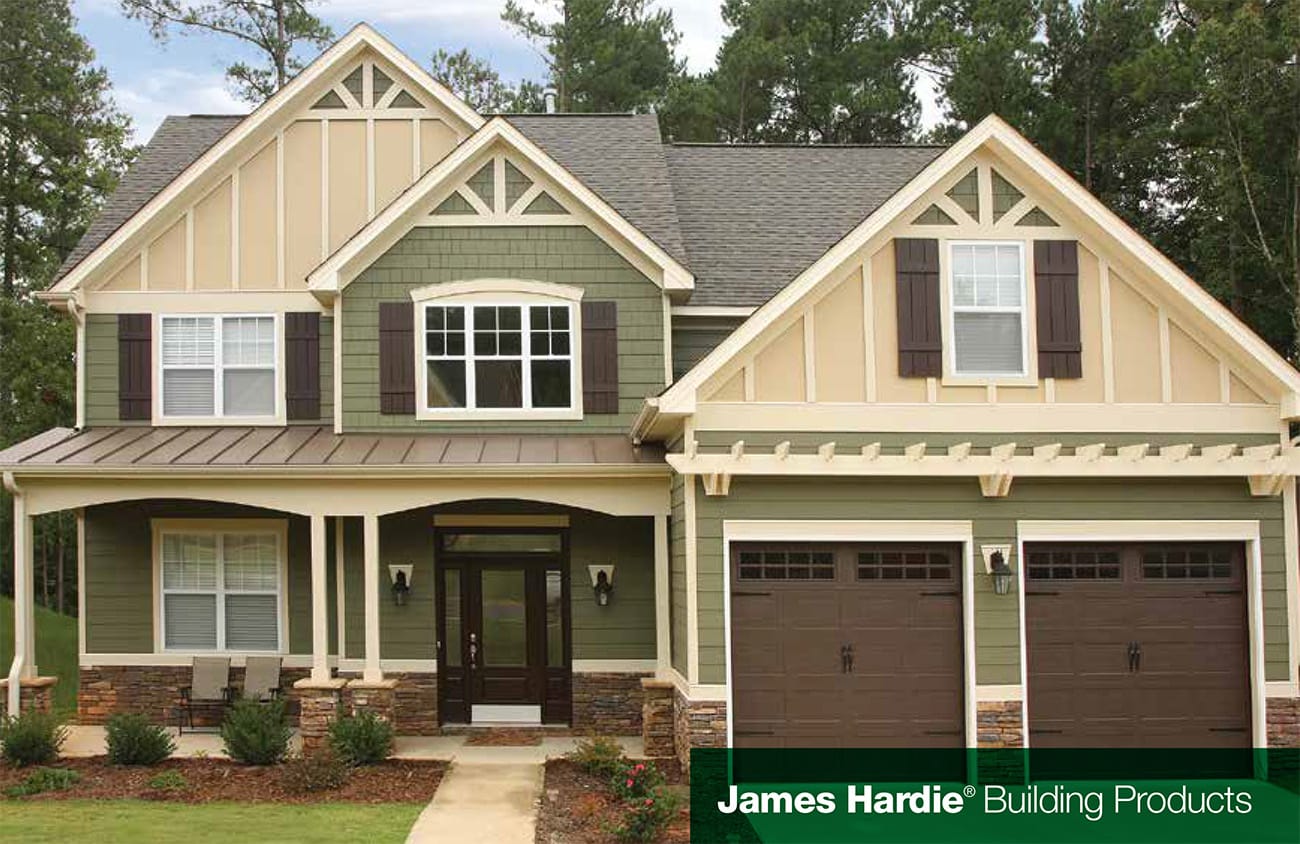
James Hardie siding is designed to deliver decades of performance, but like any premium building product, its performance depends on proper installation. Many of the siding issues we inspect are not caused by the material itself, but by shortcuts taken during installation—improper fastening, missing flashing, inadequate moisture management, or failure to follow manufacturer specifications.
At Holda Construction, our focus extends beyond the siding panels themselves. We install James Hardie as part of a complete exterior system, paying close attention to structural fastening, flashing details, weather-resistant barriers, drainage paths, and manufacturer-recommended clearances. These components work together to help protect the home from moisture intrusion and long-term performance issues.
When installed correctly, James Hardie siding can provide decades of durability and maintain its appearance through Illinois’ demanding weather conditions.
Some common signs of installation-related problems include:
If you’re noticing any of these symptoms, the issue may not be the siding itself—it may be how it was installed.
Learn more: Signs Your James Hardie Siding Was Installed Incorrectly
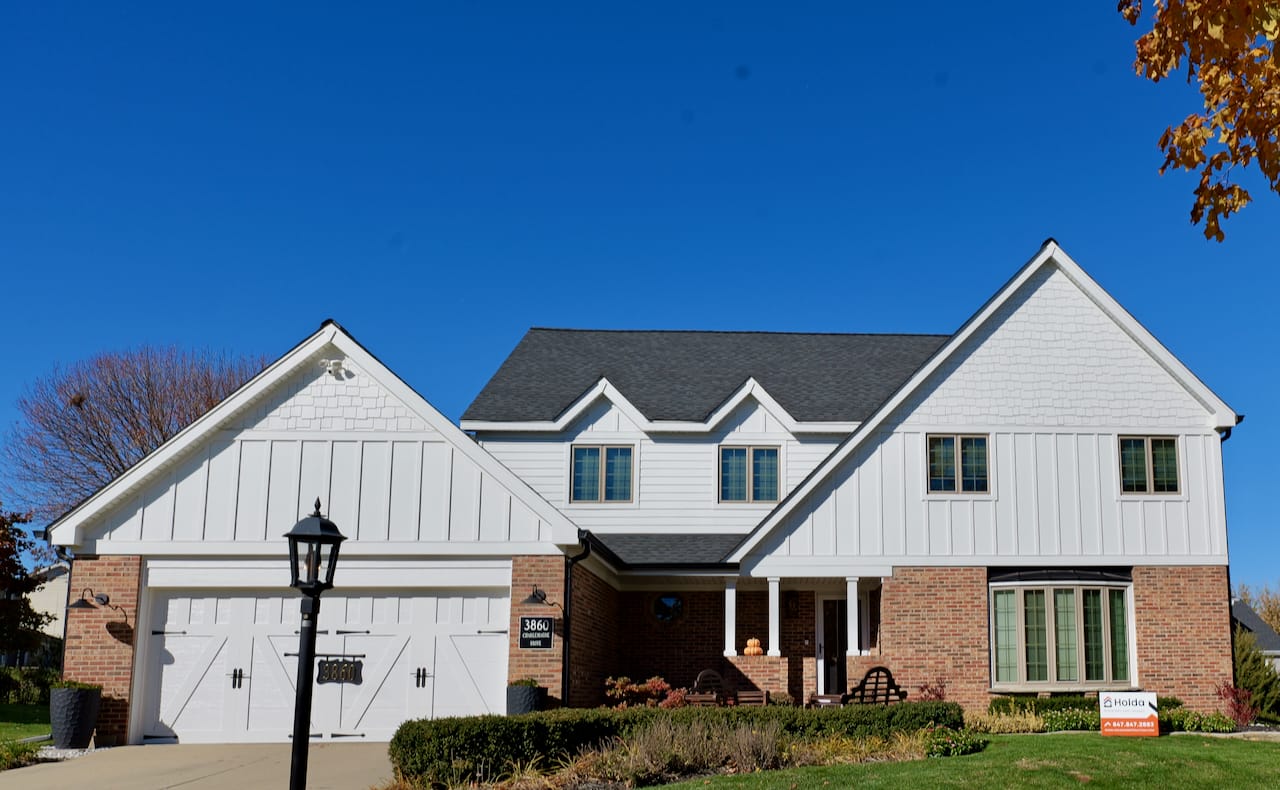
At Holda Construction, we view siding as part of a complete building envelope.
The siding, flashing, weather-resistant barrier, trim, gutters, roofing system, and ventilation all work together to protect the home from moisture and weather. When one component is missing or installed incorrectly, the entire system can be affected.
Because fiber cement siding is heavier than many alternative products, proper fastening is particularly important. Equally important is moisture management. Water must be directed away from vulnerable areas through proper flashing, drainage paths, and weather-resistant barriers. We also pay close attention to foundation transitions, window and door penetrations, roof-to-wall intersections, and clearance requirements established by the manufacturer.
These details often go unnoticed when a project is complete, but they play a significant role in determining whether the siding performs for five years or fifty years.
One of the most common questions homeowners ask is whether James Hardie siding is worth the investment. The answer depends on your goals.
If the primary concern is achieving the lowest upfront cost, vinyl siding will typically be less expensive. If long-term durability, appearance, and lifespan are priorities, many homeowners find that fiber cement provides greater value over time.
The following ranges provide a general pricing comparison of professionally installed siding systems:
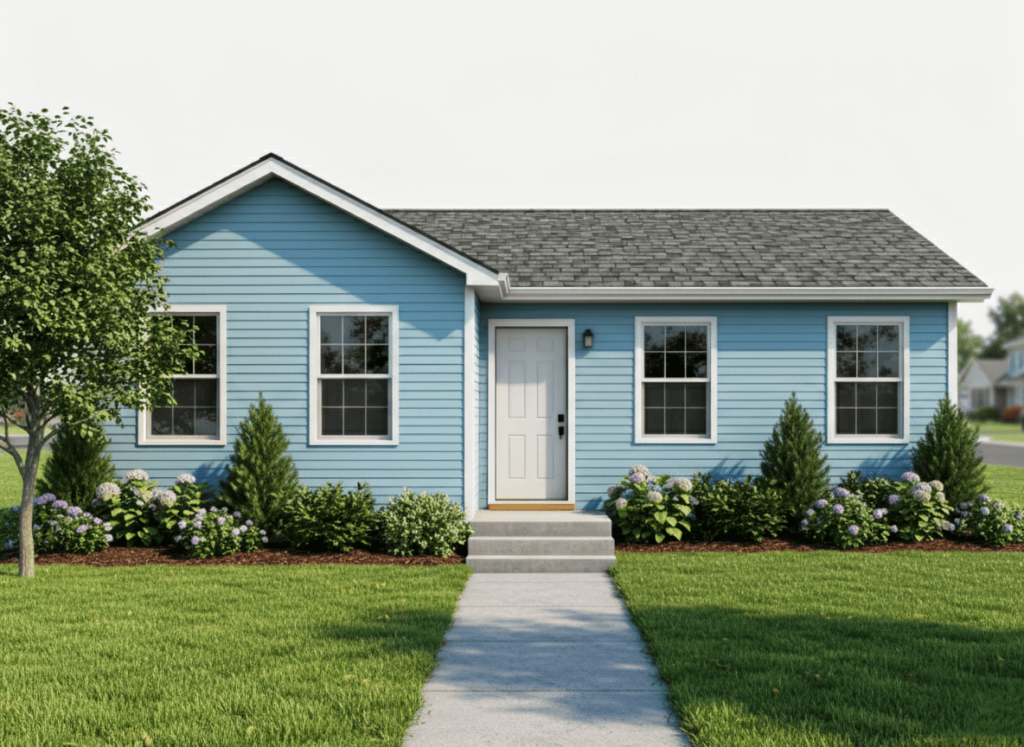
(1,200 – 1,500 sq. ft.)

$4,000 - $18,000
$4-12 / sq. ft.

$7,000 -$18,000
$7-12 / sq. ft.

$6,000- $22,500
$6-15 / sq. ft.
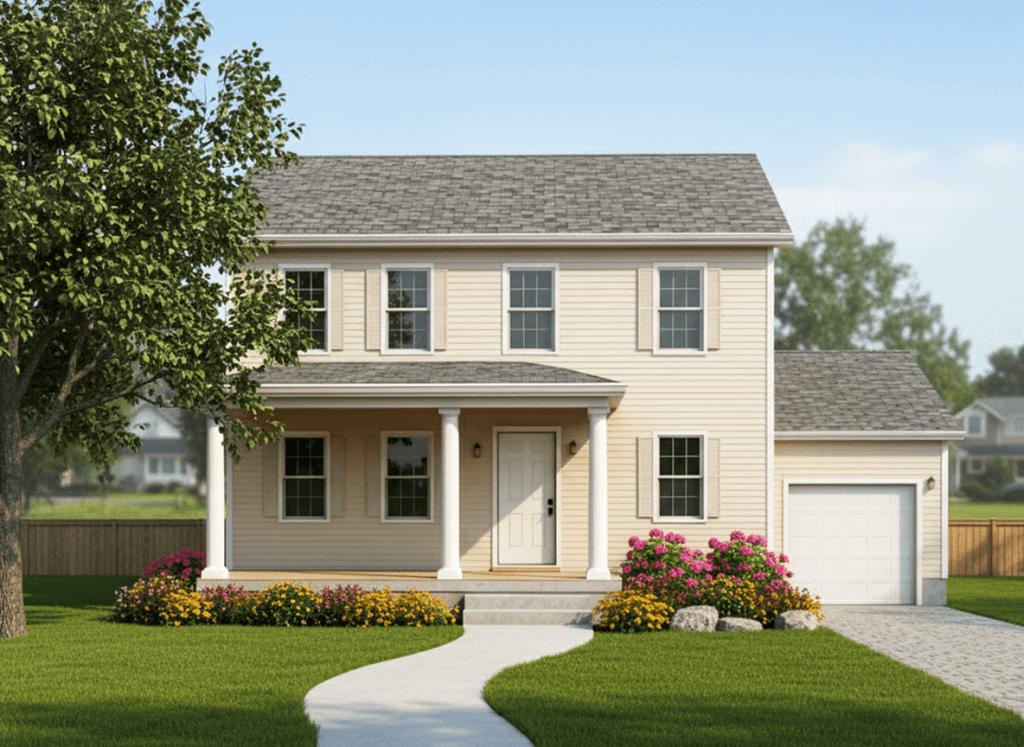
(2,000 – 2,500 sq. ft.)
$8,000 - $30,000
$4-12 / sq. ft.
$14,000 - $30,000
$7-12 / sq. ft.
$12,000 - $37,500
$6-15 / sq. ft.
(3,000 – 4,000 sq. ft.)
$12,000 - $60,000
$4-12 / sq. ft.
$21,000 - $60,000
$7-12 / sq. ft.
$18,000 - $75,000
$6-15 / sq. ft.
These figures are intended as planning ranges rather than exact pricing. Every home is different, and the final investment depends on several factors.
One project in Hoffman Estates perfectly illustrates why proper diagnosis matters.
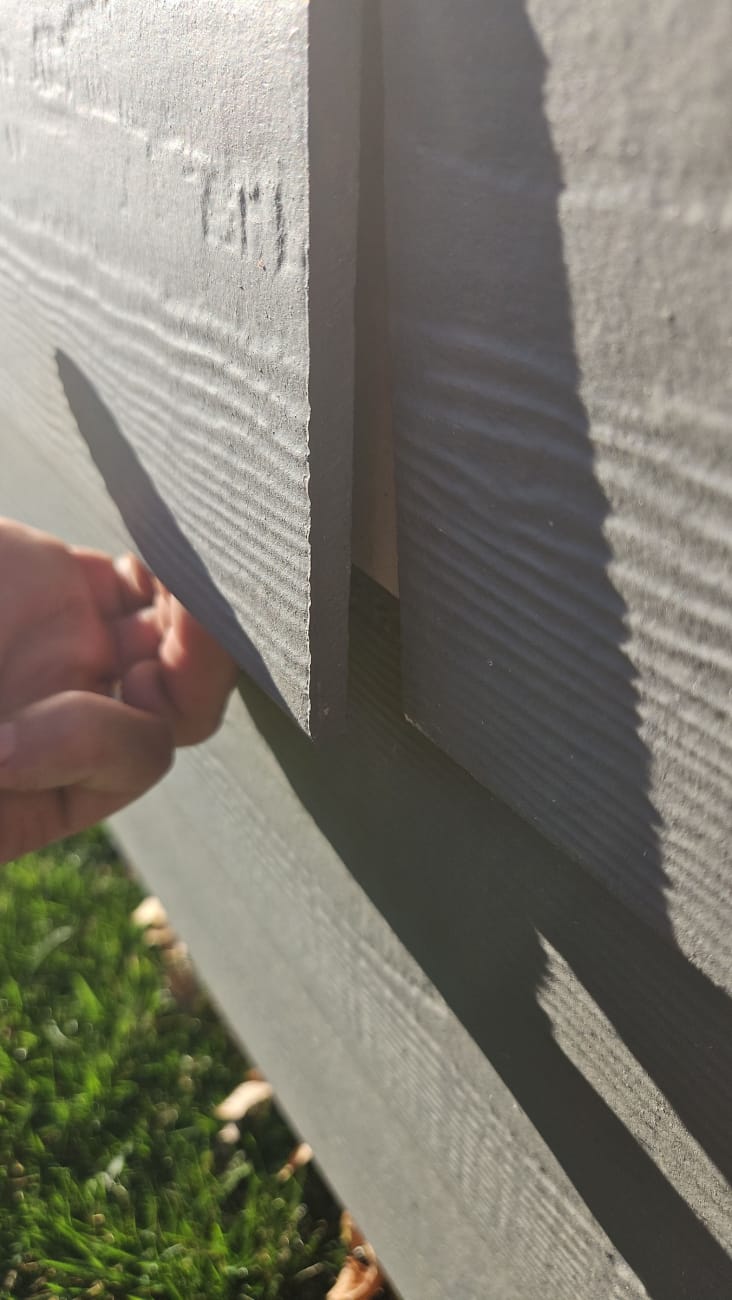
The homeowner contacted Holda Construction after noticing loud clapping sounds coming from the exterior wall during windy conditions. Large gaps had begun appearing between the siding panels, and sections of the wall visibly moved when gusts hit the home.
Based on photographs alone, the issue appeared relatively minor. However, an on-site inspection revealed something entirely different.
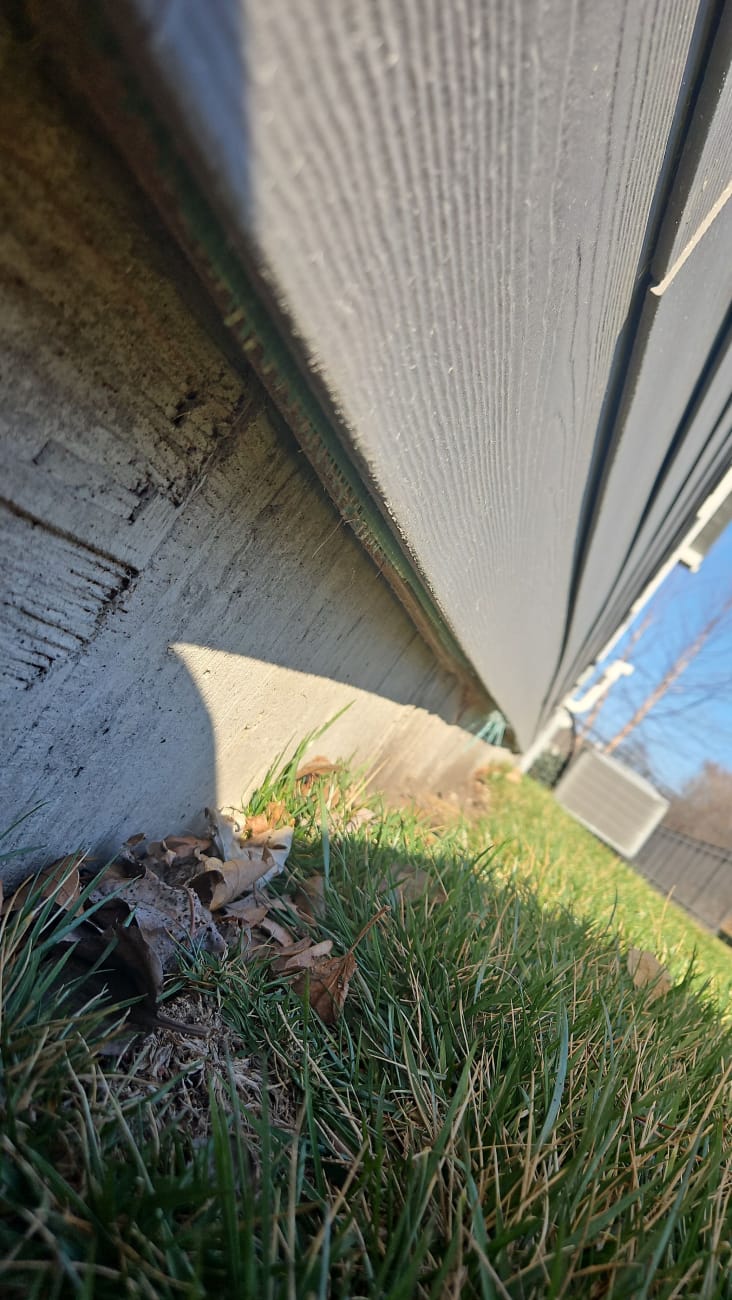
The James Hardie siding itself remained in excellent condition, but the original installation had significant deficiencies. Panels were not properly secured, flashing was missing at critical locations, and the system was vulnerable to future moisture intrusion.
Rather than recommending a complete replacement, we corrected the installation issues by re-securing the siding into structural framing, installing proper flashing, replacing deteriorated sealants, and addressing several moisture-management concerns.
The most important takeaway was that the siding product itself still had decades of useful life remaining. The issue wasn’t James Hardie. The issue was how it had been installed.
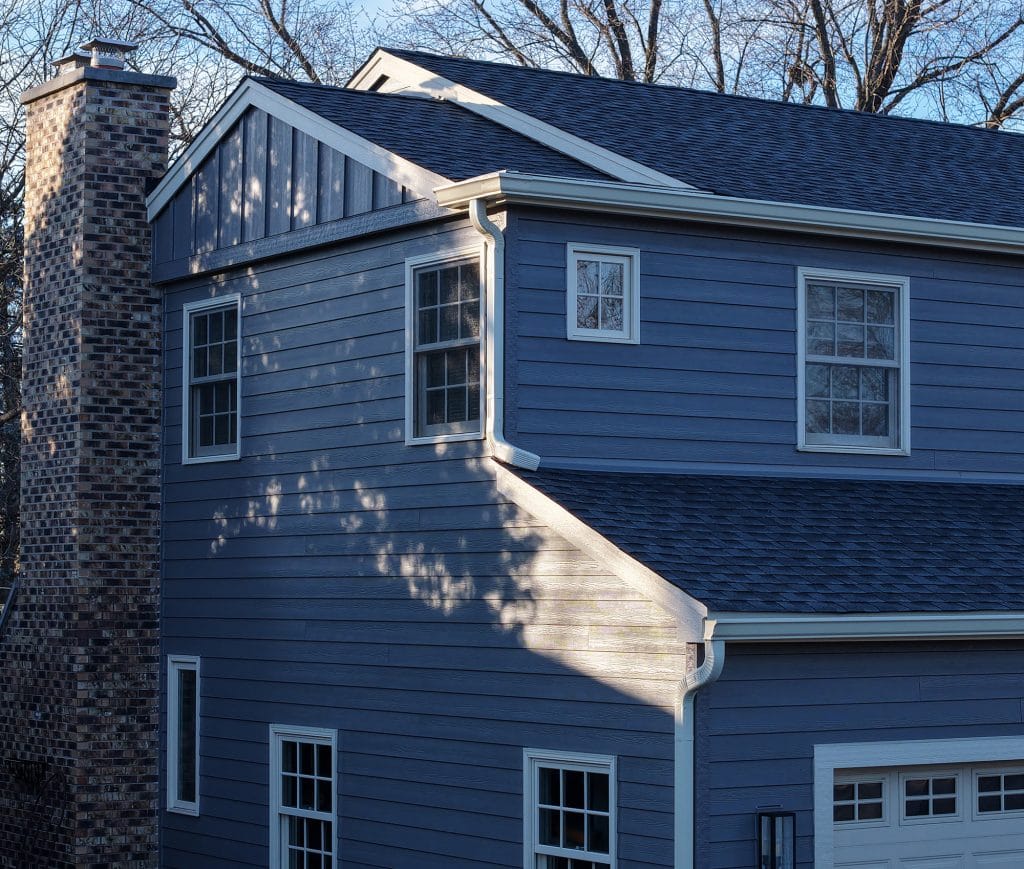
Not every James Hardie project begins with existing James Hardie siding. In one Barrington home, recurring odors, pest activity, moisture intrusion, and deteriorating cedar siding pointed to problems that extended well beyond the exterior finish. Rather than covering the symptoms with another repair, our inspection uncovered issues within the wall assembly, attic insulation, ventilation, flashing, and water management systems.
The project included replacing the aging cedar siding with James Hardie HZ5® fiber cement siding, rebuilding the wall system with new weather barriers and flashing, upgrading soffits, fascia, gutters, insulation, and ventilation, and addressing hidden moisture damage discovered during construction. The result wasn’t simply a home that looked new—it was a home that performed better, with improved durability, comfort, and long-term protection.
No siding product is perfect for every home.
James Hardie offers excellent durability, weather resistance, and longevity, but homeowners should always compare their options based on budget, maintenance expectations, appearance preferences, and long-term goals.
To help with that decision, we’ve created additional resources comparing James Hardie to other popular siding materials, including vinyl siding and LP SmartSide.
These guides explore pricing, maintenance requirements, durability, warranties, and expected lifespan so homeowners can make informed decisions.
For many homeowners, James Hardie siding offers an excellent combination of durability, appearance, and long-term value. With proper installation and maintenance, it can provide decades of protection while helping your home withstand the demanding weather conditions we experience throughout the Chicago area.
The most important factor, however, isn’t simply choosing the right product. It’s ensuring the entire system is installed correctly. Proper fastening, flashing, moisture management, and attention to manufacturer specifications can make the difference between a siding system that performs for decades and one that develops problems long before it should.
Whether you’re considering a complete siding replacement, comparing James Hardie to other siding options, or trying to determine whether an existing issue requires repair or replacement, we’re here to help.
At Holda Construction, we believe homeowners make better decisions when they have accurate information, honest recommendations, and a clear understanding of what’s happening behind the siding—not just what they can see from the street.
If you’d like a professional evaluation of your home’s siding, schedule a consultation with our team. We’ll inspect the existing conditions, explain any concerns we find, discuss your options, and help you determine the most practical path forward.
 5 / 5
5 / 5
Fill out the form below to get started!
