Holda Construction’s Guide to Understanding Your Roof’s Age and Remaining Lifespan
-
 Mariusz Holda
IL License Number: 104.017181
 Mariusz Holda
 Home » Learning Center » Roofing » Holda Construction’s Guide to Understanding Your Roof’s Age and Remaining Lifespan
For many homeowners, the roof is something you rarely think about until a problem appears. But in the Chicago area, roofing systems endure some of the harshest seasonal conditions in the country: freezing winters, heavy snow, intense summer heat, hail, wind, and constant temperature swings.
Those conditions matter because roofs here rarely last as long as manufacturer marketing suggests.
A roof’s lifespan is shaped by far more than the shingle itself. Climate, attic ventilation, installation quality, storm exposure, roof design and maintenance all influence how well the system performs over time. Understanding those factors helps homeowners make smarter decisions about repairs, inspections, and replacement planning before small issues become expensive ones.
Roofing manufacturers often advertise shingles as 25-year, 30-year, or even lifetime products. While those ratings can help compare materials, they are typically based on ideal conditions, not Midwest weather.
In Chicago’s climate, asphalt shingles generally age faster because of repeated freeze-thaw cycles, storm exposure, and extreme temperature changes throughout the year. Here’s what homeowners can more realistically expect:
The important takeaway is that roofing materials do not age according to a warranty label alone. Their longevity depends heavily on the environment they’re exposed to and the quality of the roofing system as a whole.
Chicago experiences dozens of freeze-thaw cycles each year. Moisture enters small gaps or vulnerable areas, freezes, expands, and slowly breaks materials down over time.
Roof surfaces regularly experience dramatic temperature fluctuations. Summer heat can push shingle temperatures to 150–170°F, while overnight temperatures may drop rapidly. That constant expansion and contraction weakens shingles and sealants over time.
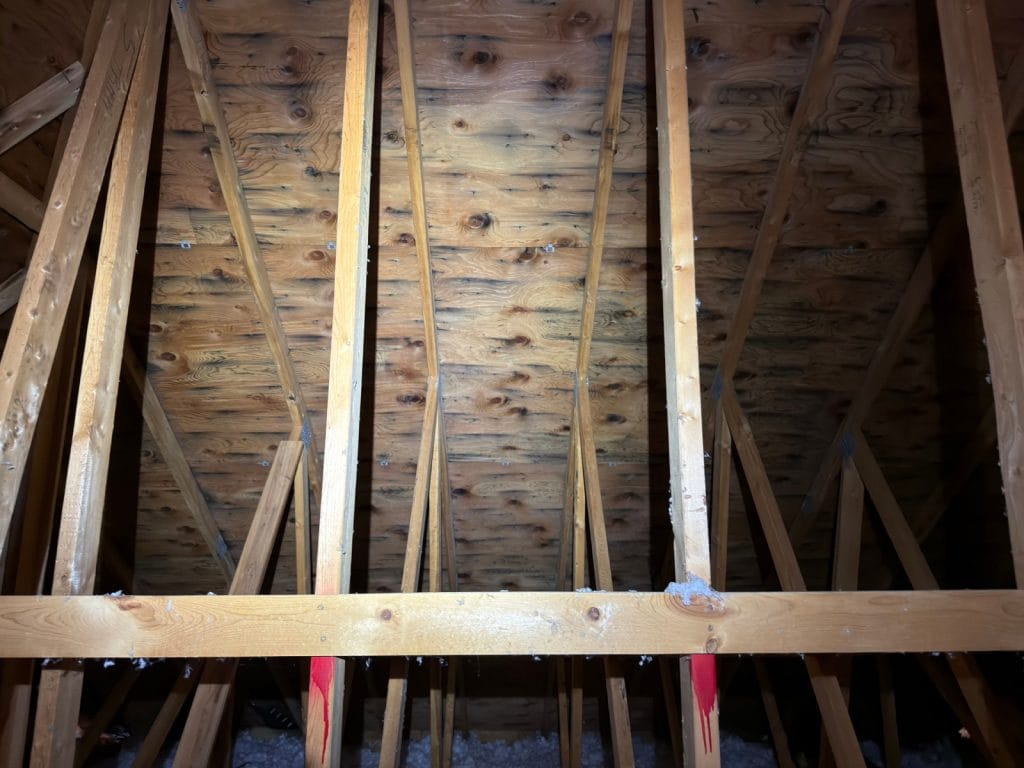
Poor attic ventilation can trap heat and moisture beneath the roof deck, contributing to mold, wood rot, and premature shingle deterioration from the inside out.
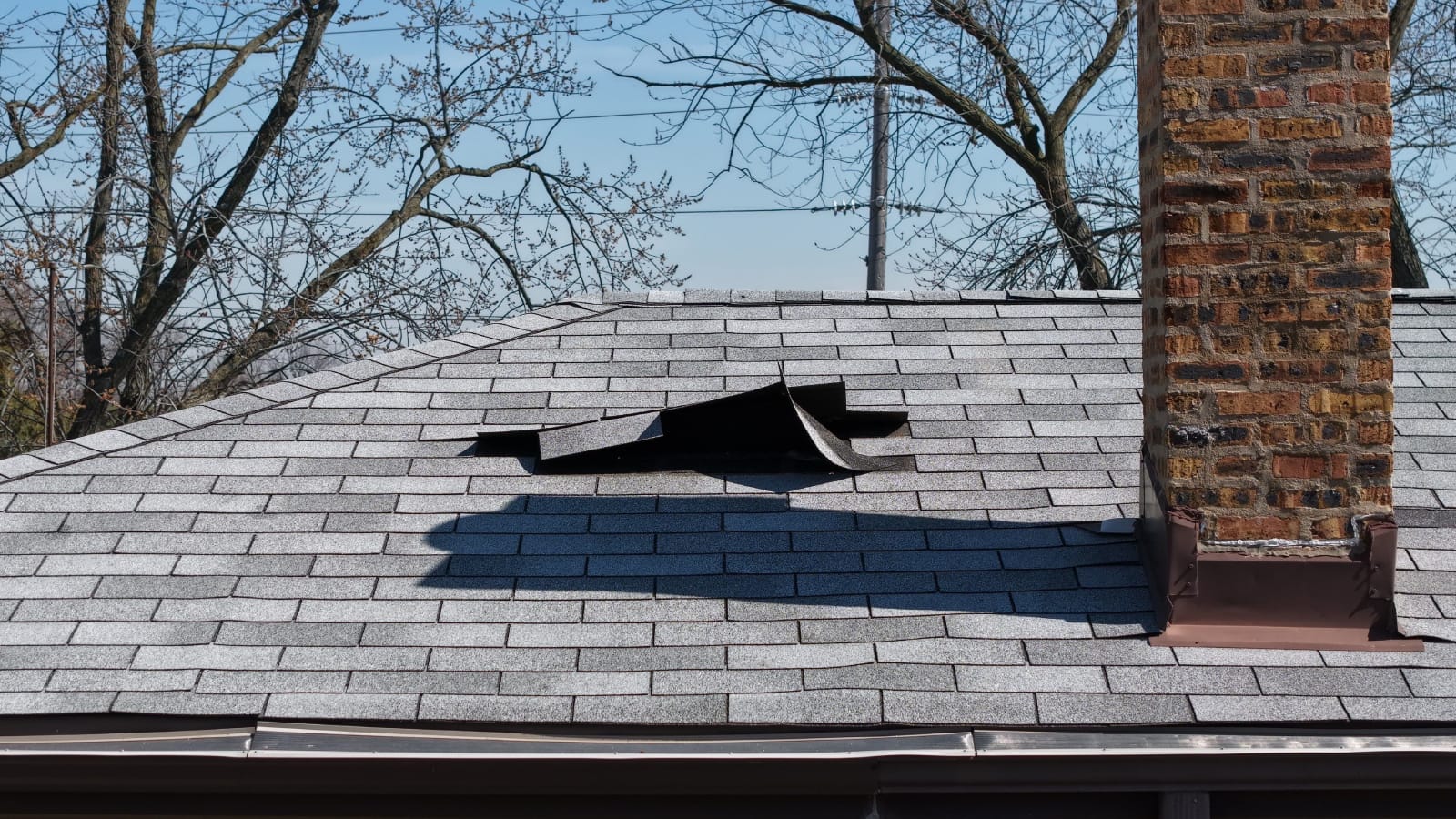
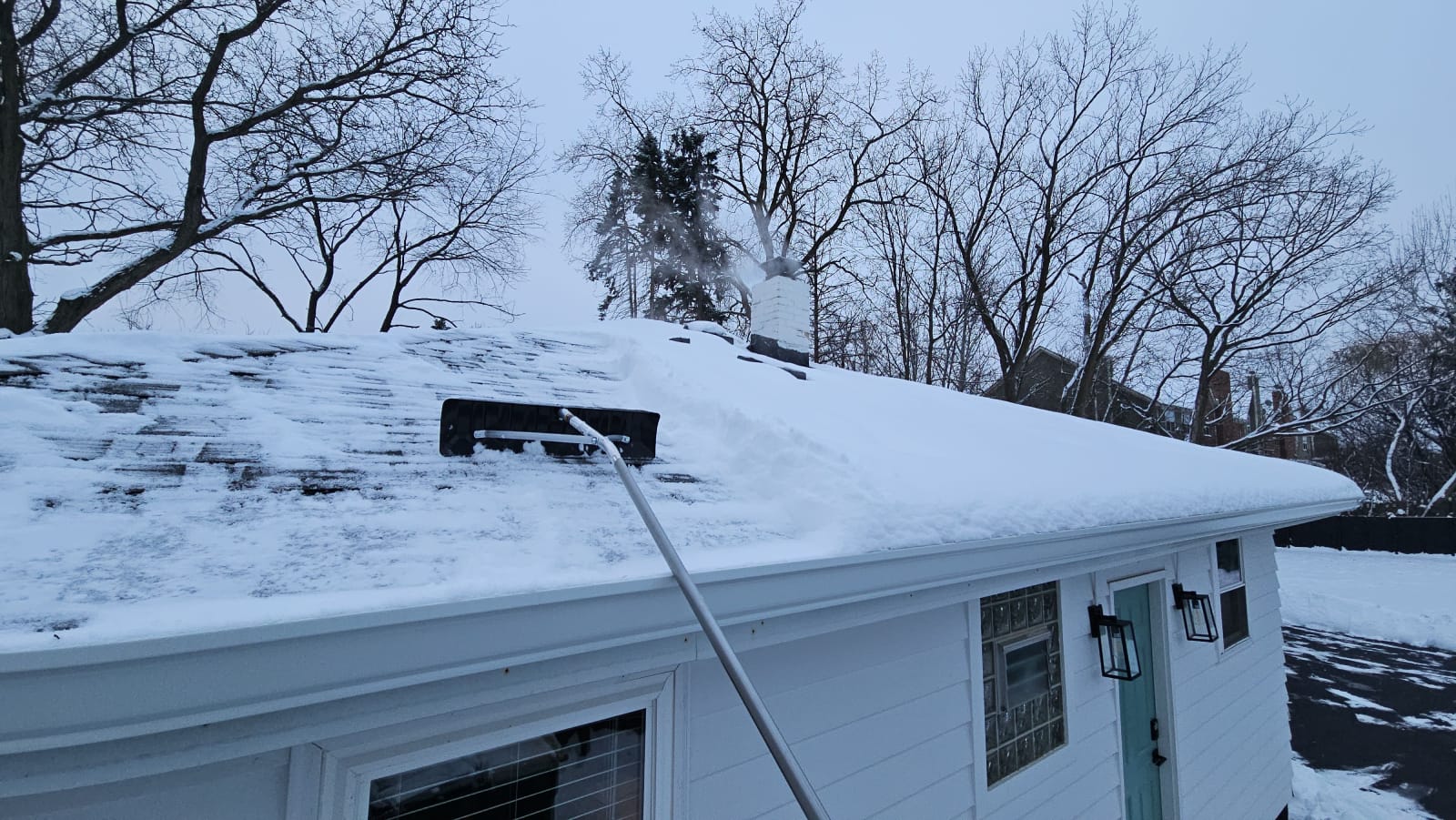
The term lifetime shingle has become common in roofing marketing, but homeowners should understand what that label actually means.
A roofing system’s lifespan depends far less on marketing terminology and far more on the conditions surrounding the installation.
The most important factors include:
Improper nail placement, poor attic ventilation, shortcuts around flashing, or inadequate sealing can reduce the lifespan of an otherwise excellent roofing product by many years. Even premium materials can fail early if installed improperly, which is why experienced contractors often say that a roof is only as good as the installation behind it.
One of the most overlooked contributors to premature roof aging is attic ventilation.
A poorly ventilated attic traps heat and moisture beneath the roofing system year-round. During summer, excessive attic temperatures can literally bake shingles from underneath. In winter, trapped moisture condenses inside the attic and contributes to mold growth, wood deterioration, and ice dam formation.
Proper ventilation helps regulate:
In many homes, improving ventilation can significantly extend roof lifespan while also improving energy efficiency.
Not every aging roof needs immediate replacement. Many roofing systems can be repaired effectively for years. However, there comes a point where continued repairs become financially inefficient.
A practical guideline many contractors use is often referred to as the 30% Rule:
If more than roughly 30% of the roof shows significant wear or damage, full replacement is usually more cost-effective than ongoing repairs.
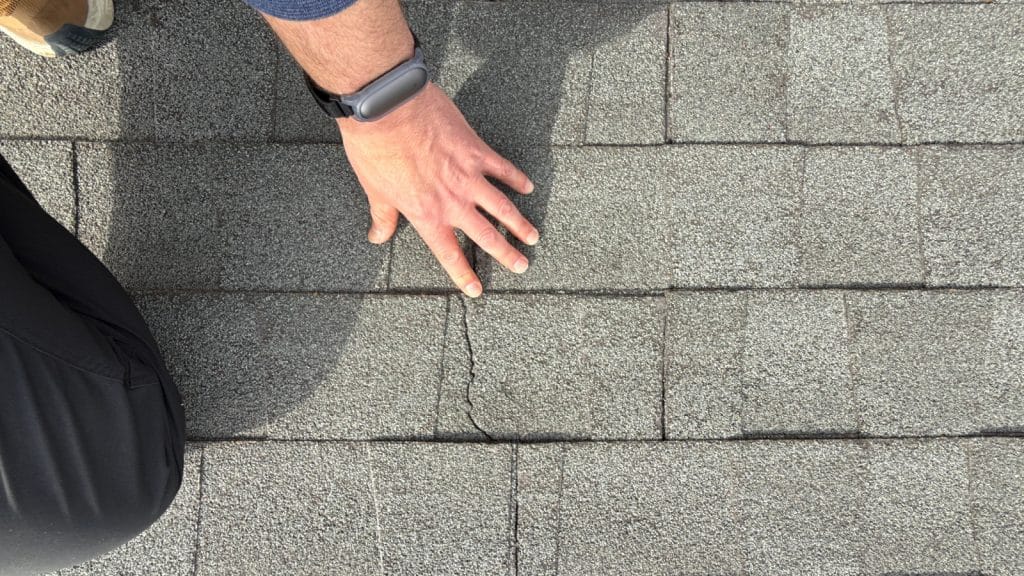
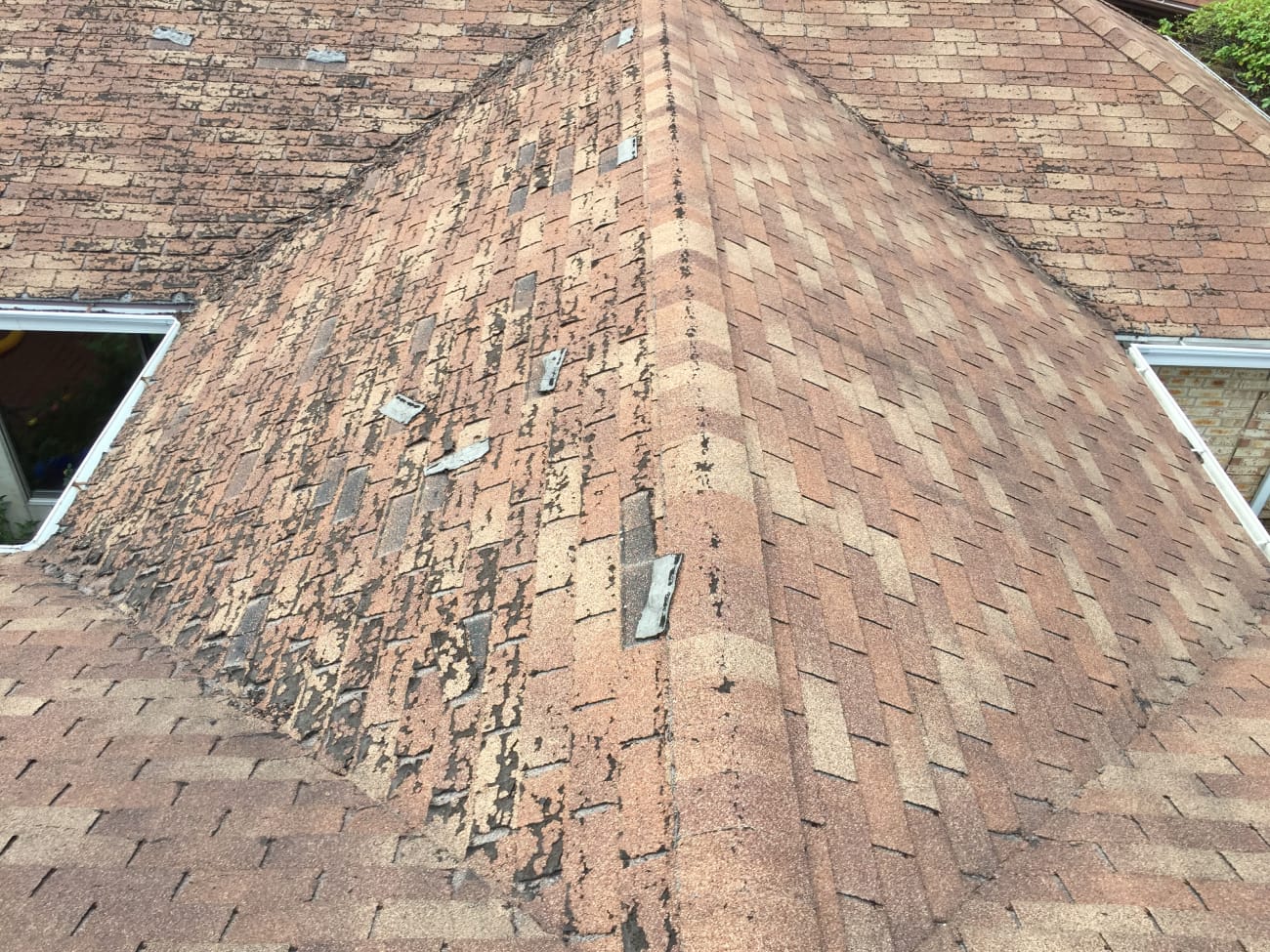
Significant wear may include:
At that stage, repairs often become reactive rather than preventative. Instead of solving the problem, homeowners end up chasing new failures across different sections of an aging system. Costs accumulate gradually while reliability continues to decline.
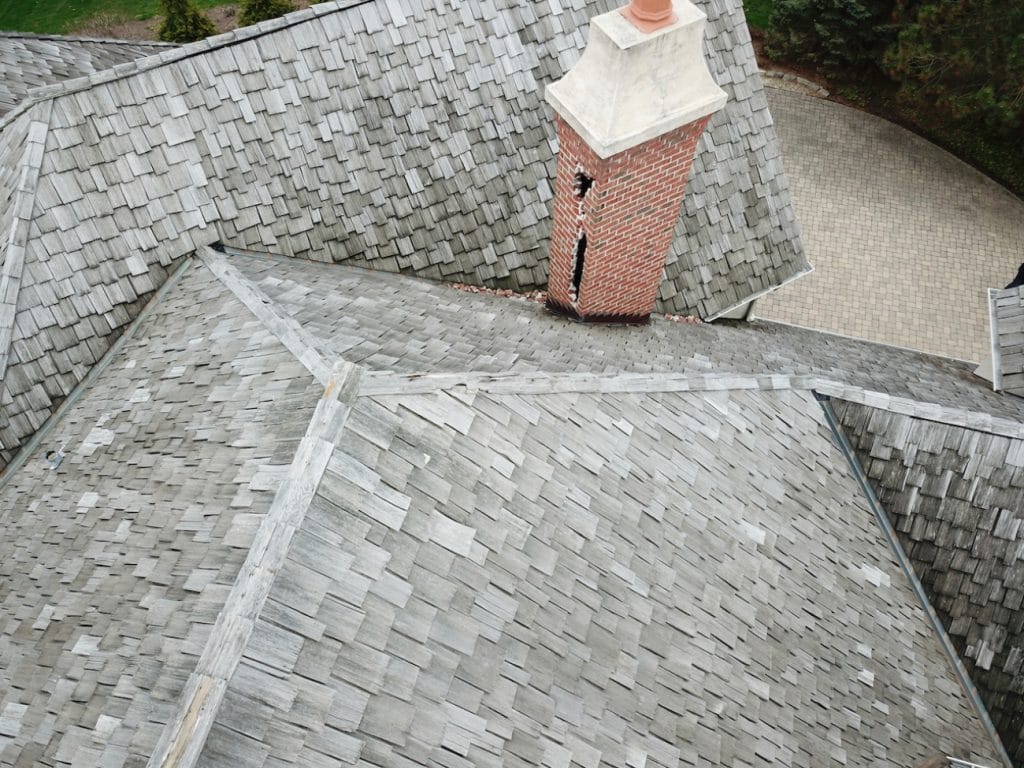
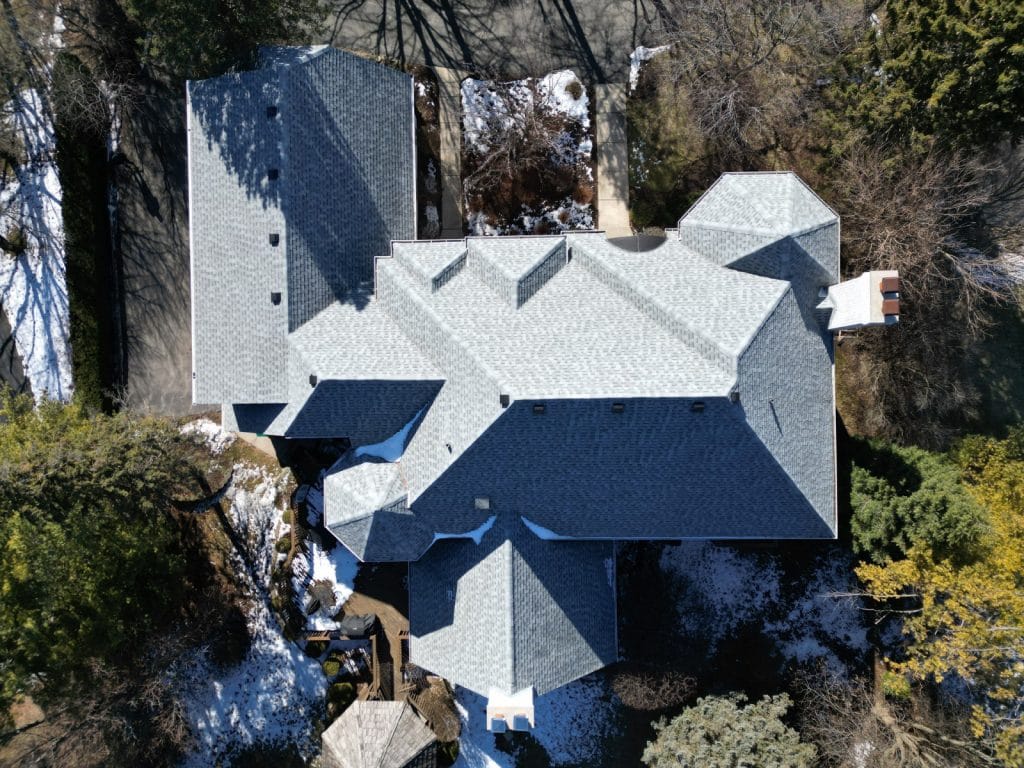
Not all roofs age at the same rate, even on neighboring homes. Complex roof structures typically experience more wear because they contain more vulnerable areas.
Features that increase long-term risk include:
Each transition point creates another opportunity for water intrusion if flashing or sealing begins to fail. Simpler roof designs generally last longer because they shed water more efficiently and contain fewer stress points.
Roof maintenance doesn’t need to be complicated to be effective.
Simple preventative steps can dramatically extend the life of a roofing system:
Many costly roofing problems begin as small issues left unaddressed for too long. Routine inspections often identify concerns years before interior leaks appear.
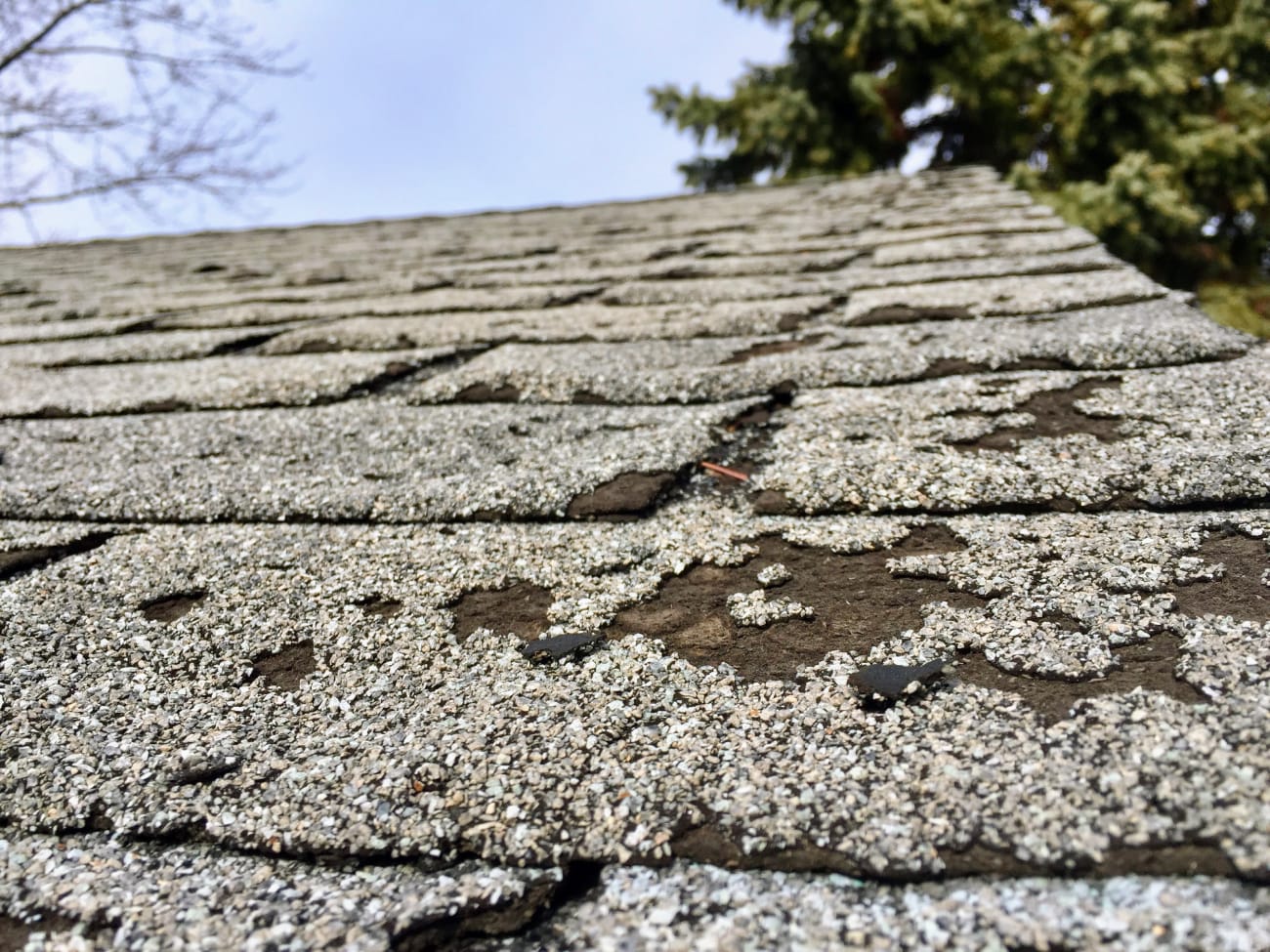
Even if you don’t know exactly when your roof was installed, certain warning signs can indicate that the system is entering its later years.
Watch for:
One isolated issue may not require replacement. But when several symptoms appear together, the roof system is often approaching the end of its reliable lifespan.
One of the most common mistakes homeowners make is waiting until an active leak forces an emergency decision.
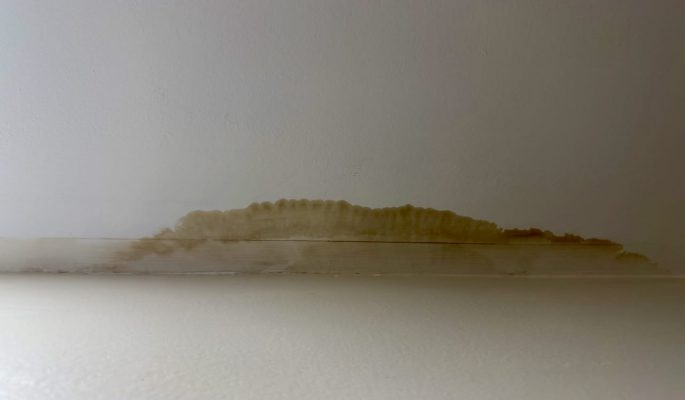
By the time water reaches the interior, damage may already extend to:
Planning replacement proactively allows homeowners to:
A roof replacement is a major investment, but timing that investment strategically often reduces overall long-term cost.
A roof is more than a layer of shingles. It is a complete protective system designed to withstand decades of environmental stress. And in the greater Chicagoland climate, that stress is relentless.
Understanding how climate, installation quality, ventilation, maintenance, and aging interact gives homeowners a more realistic picture of what to expect from their roofing system. It also helps separate marketing promises from practical reality.
The goal is not simply to make a roof last as long as possible. The goal is to maintain a roofing system that remains reliable, efficient, and structurally sound throughout its lifespan.
If you feel your roof has areas that need improvement or replacement, feel free to reach out at 847.847.4883 or contact us online. We’d be happy to take a look and advise you on the best course of action!
Contact us today to discuss your next project. We’ll be happy to help. Because taking care of small problems is how you protect yourself from larger problems down the road.